
Burnout, Life Transitions, and the Space In Between
Burnout rarely appears out of nowhere. It often shows up during periods of change, when something has shifted but what comes next is not yet clear. A role ends. A direction no longer fits. Responsibilities evolve. Life begins asking different questions.
This in-between can feel heavy. Not because you are failing, but because uncertainty has stretched longer than your system can comfortably hold.
Burnout is often a signal that a transition is already underway. Some transitions are quiet and gradual. Others are loud and disruptive. Either way, they create an opening for reinvention, forward movement, and deeper meaning.
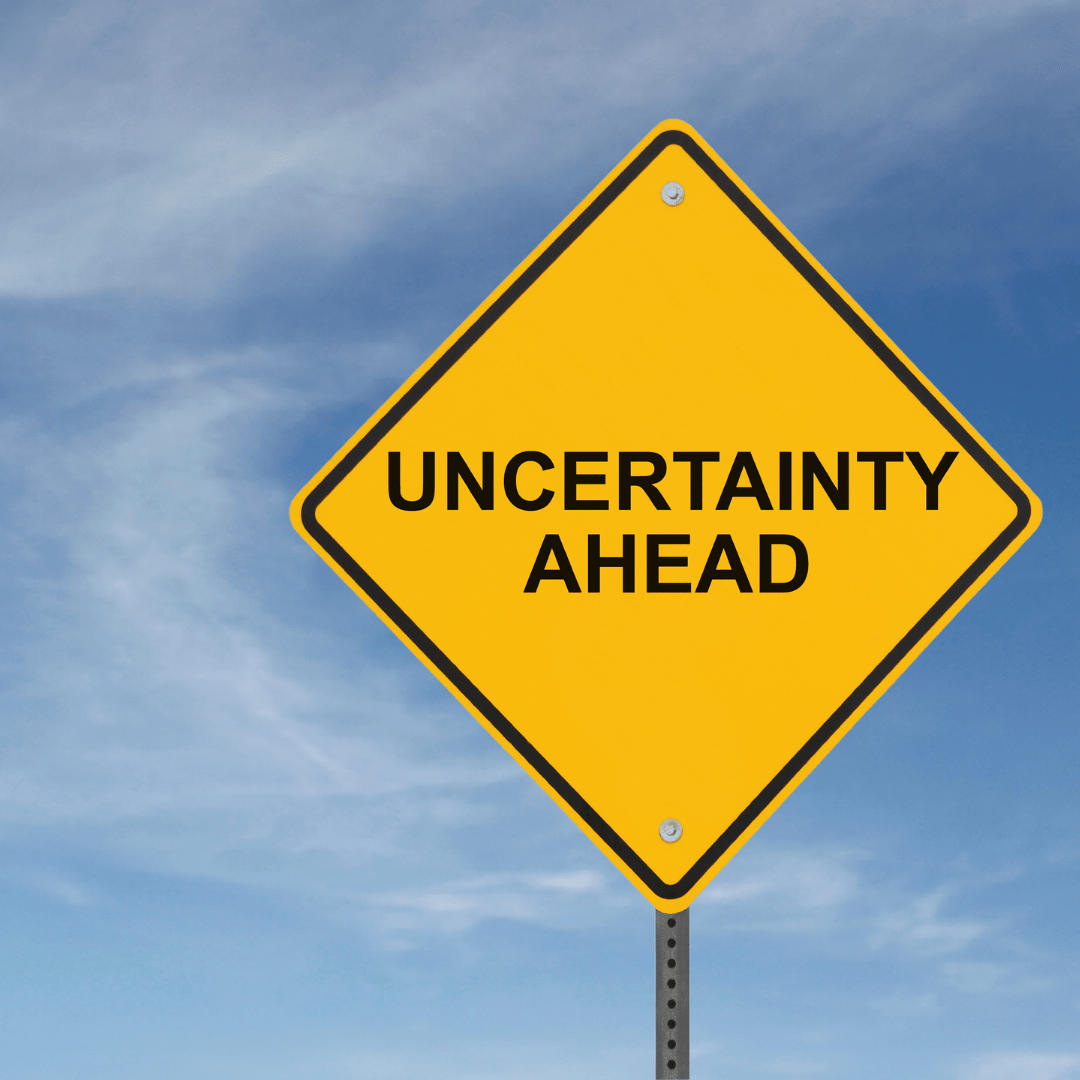
When the Old Way Stops Working
What a Life Transition Really Is
A life transition is not only a major event. It is any period where your usual ways of thinking, working, or leading no longer fit.
Most adults experience multiple significant transitions over the course of a lifetime. Career shifts. Identity changes. Leadership evolution. Family changes. Loss. Reinvention. Life unfolds in chapters, not straight lines. What feels destabilizing now may simply be the beginning of a new phase.
During transitions, confidence may waver. Decisions feel heavier. Motivation shifts. You may look steady on the outside while feeling unsettled internally.
We are rarely taught how to move through these seasons. We are taught how to push forward. When pushing stops helping, burnout often follows.
Burnout as Information
Burnout is more than fatigue. It is depletion caused by prolonged stress and unresolved uncertainty. When direction feels unclear or responsibilities stretch beyond capacity, the nervous system stays on alert. Energy drains faster. Patience shortens. Focus narrows. Meaning thins.
This does not mean something is wrong with you. It means your system has been adapting for too long without enough space, reflection, or recalibration.
Burnout is not a verdict. It is feedback.
It also does not look the same for everyone. Burnout can show up as:
Overload burnout
When achievement and responsibility come at the expense of health, relationships, or recovery.
Under-challenged burnout
When work feels stagnant, repetitive, or disconnected from growth and meaning.
Uncertainty burnout
When prolonged instability, ambiguity, or transition keeps your system in a constant state of tension.
Purpose misalignment burnout
When what you are doing no longer reflects who you are becoming.
Workplace burnout
When sustained professional pressure erodes energy, motivation, and engagement.
Caregiving or compassion fatigue
When emotional responsibility accumulates without replenishment.
Different expressions. Same underlying signal: depletion that has lasted too long.
Understanding how burnout is showing up for you often reveals what kind of life transition may already be underway beneath the surface.
A Different Way Forward
Burnout does not ease by forcing answers or returning to the old way of doing things.
What helps is slowing down enough to understand what is changing, what no longer fits, and how you want to respond now. This is where leadership begins to shift. Not as a title, but as how you carry uncertainty and responsibility.
Depending on where you are, this work may take shape through one-on-one coaching, peer conversations, or structured tools that help you understand how you are responding under pressure.
You do not need to have everything figured out. You may simply need space to think before deciding what comes next.

Step 1
Understand Your Energy Patterns
Through the Energy Leadership Index (ELI) assessment, you uncover how you are currently responding to stress, uncertainty, and responsibility. The ELI clarifies which burnout pattern may be present and how your energy is being invested or depleted.
Step 2
Identify Stress Triggers
The ELI reveals how your energy shifts under pressure. You begin to see what activates reactivity, overdrive, or withdrawal. Not as a flaw, but as data. Awareness creates space for choice.
Step 3
Realign Your Response
With clearer insight, we identify practical adjustments. Small shifts in how you think, decide, and carry responsibility. Momentum begins to return not through force, but through alignment.
Step 4
Lead Yourself Differently
The goal is not simply to reduce burnout. It is to expand your capacity. With greater self-awareness, you move through complexity and transition with steadier judgment, stronger boundaries, and leadership that feels grounded and sustainable.
Moving Through Burnout and Transition
Burnout is often the sign that a life transition is already unfolding. Something in your work, leadership, or identity is shifting, even if the next step is not yet clear.
Understanding your burnout is not about fixing yourself. It is about recognizing what prolonged stress and uncertainty have been asking of you, and deciding how you want to move forward.
If you are navigating burnout, career transition, leadership change, or a season of uncertainty, this is where the work begins.